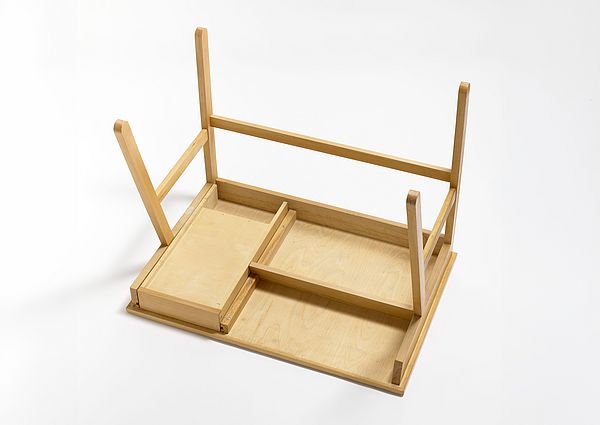
Bauhaus-Archiv / Museum für Gestaltung
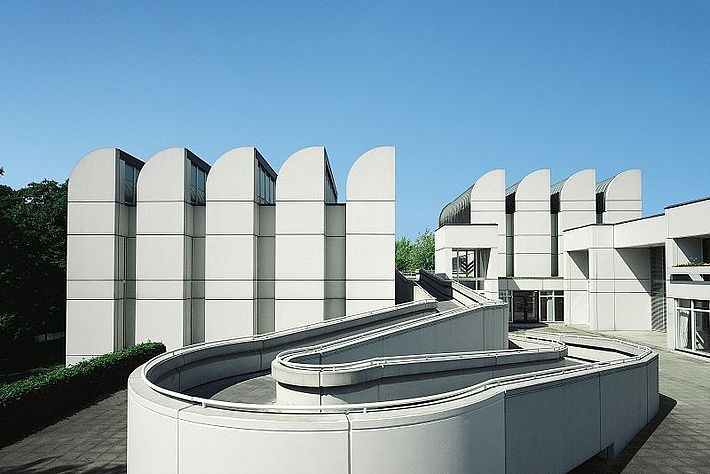
The Bauhaus-Archiv / Museum für Gestaltung in Berlin hosts the world’s largest collection of materials on the history and influence of the Bauhaus.
Headline
With up to 120,000 visitors from all over the world every year, the spatial capacity limits of the building have long been exhausted. In order to cope with the increasing number of visitors and the steadily growing collection, an extension is currently being built to a design by Staab Architekten Berlin. The existing building designed by Walter Gropius is being renovated in accordance with the preservation order and will in future include an archive and library, while the new building will house the museum. A glass tower marks the entrance to the new Bauhaus-Archiv and serves museum educational purposes.

[Translate to English:] headline
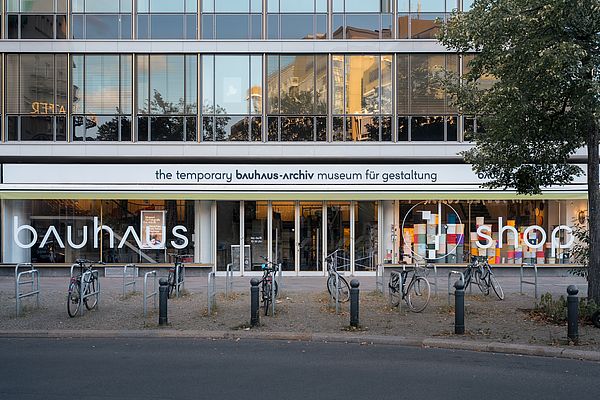
Whilst the Bauhaus-Archiv / Museum für Gestaltung is being renovated in accordance with conservation guidelines and extended with a new bulding, the Bauhaus-Archiv / Museum für Gestaltung is closed. The Temporary Bauhaus-Archiv in Berlin-Charlottenburg is open to visitors as a temporary location.
The exhibitions, events, and Bauhaus Labs held there invite you to involved, explore and linger. You can also learn about the building site and the future museum, or visit the Bauhaus Shop featuring original Bauhaus pieces and design products.
New musical, academic and artistic publications from the Bauhaus-Archiv / Museum für Gestaltung
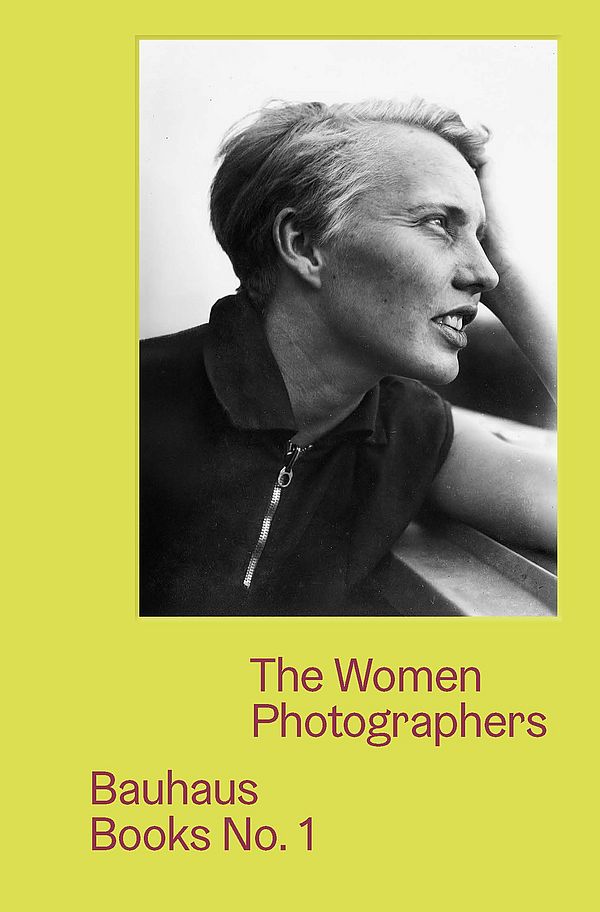
As the first volume in a new book series, “Bauhaus Books”, Walther and Franz König are publishing “Bauhaus Books No. 1 – The Women Photographers”, edited by Kristin Bartels on behalf of the Bauhaus-Archiv / Museum für Gestaltung, in both German and English. To this day, our image of the Bauhaus is largely shaped by photographs. Many of these iconic images were taken by outstanding female photographers whose work, despite its influence, remained unseen for decades. Their work ranges from portrait and architectural photography, through advertising and photojournalism, to abstract and experimental forms of imagery. “Bauhaus Books No. 1 – The Women Photographers” presents, for the first time, 25 of these women photographers from the collection of the Bauhaus-Archiv Berlin.
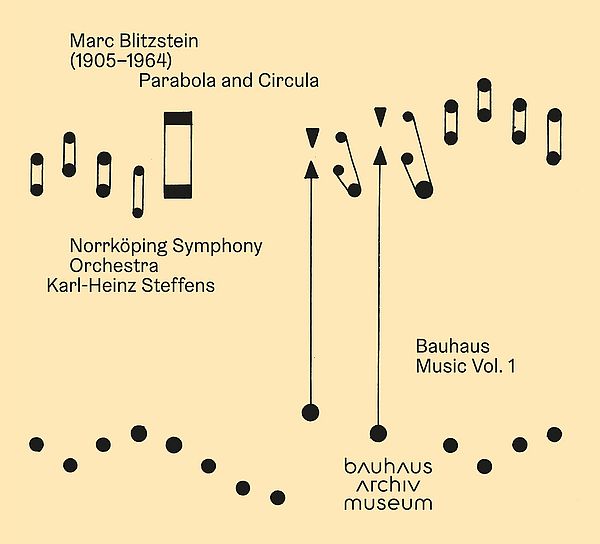
Bauhaus Music, Volume 1
With “Bauhaus Music, Volume 1”, the Bauhaus-Archiv / Museum für Gestaltung is launching a new CD series in collaboration with the classical music label Capriccio. Bauhaus Music Vol. 1 Marc Blitzstein: Parabola and Circula, published by the Bauhaus-Archiv / Museum für Gestaltung, libretto by George Whitsett, © + ℗ 2026 Capriccio Records, 2026. This brings to life the rich, long-overlooked musical history of the Bauhaus. The series opens with a genuine discovery: Marc Blitzstein’s “Parabola and Circula”, arguably the world’s only geometric opera. Composed in 1929–30 and intended for a performance within the Bauhaus milieu, the work remained unheard for almost a century. In 2025, a reconstructed version received its world premiere at the Berliner Philharmonie as part of the Musikfest Berlin. Blitzstein’s opera tells a tragic love story set against a backdrop of geometric forms: modern, incisive, colourful and fascinatingly close to the artistic visions of the Bauhaus stage.
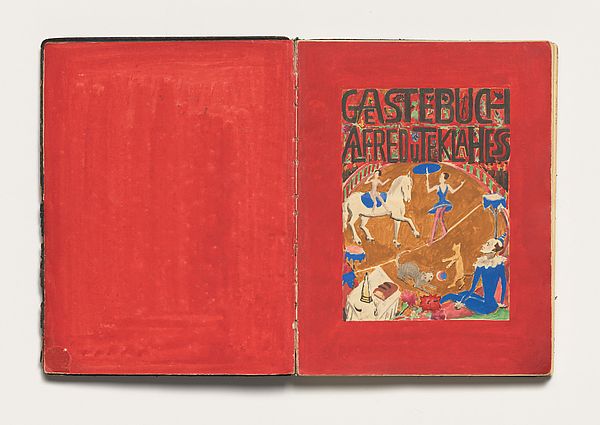
“The Hess Family Guestbooks - Weimar, the Bauhaus and the Hess Family Story“
“The Hess Family Guestbooks – Weimar, the Bauhaus and the Hess Family Story” is the fourth volume in the Hans Hess series published by Manifesto Press – a collaboration between the Hans Hess Foundation and the Bauhaus-Archiv / Museum für Gestaltung. Spanning just under 600 pages, this bilingual volume (English and German) reproduces for the first time the two extraordinary guest books kept by the Hess family from 1907 to 1965. The books document the family’s journey from their affluent, Jewish-influenced household in Erfurt, through the cultural heyday of the Weimar Republic, to their forced exile in Britain following the Nazis’ rise to power. The Hess family home served as a meeting place and exhibition space for the artistic avant-garde of the 1920s. Some of the most significant figures in modern art left unique entries in the guest books.
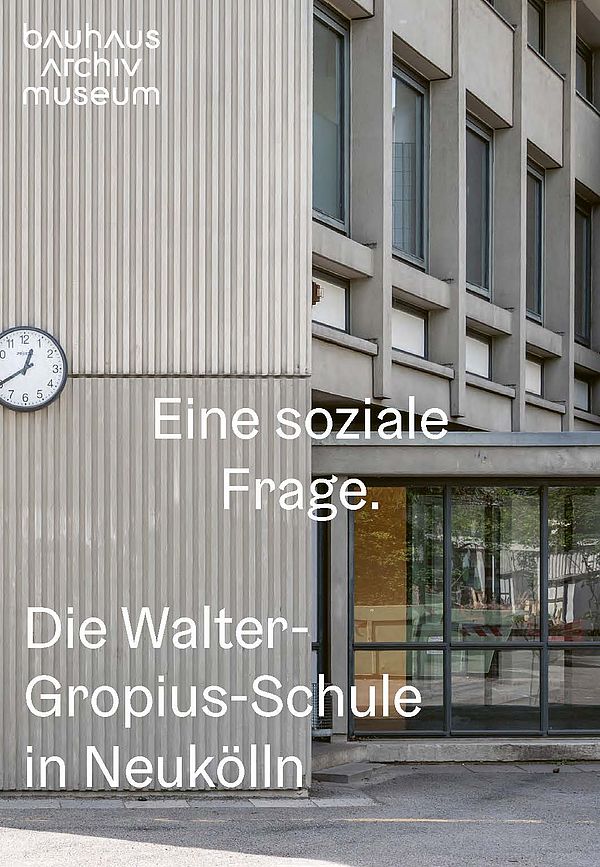
“A Social Matter. The Walter Gropius School in Neukölln”
“A Social Matter. The Walter Gropius School in Neukölln”, edited by Friederike Holländer, Wiebke Loeper, Monique Petermann and Nina Wiedemeyer for the Bauhaus Archive / Museum für Gestaltung Berlin. What do the places where children and young people learn and meet every day look like? In an artistic research project using the Walter Gropius School as a case study, students from the Potsdam University of Applied Sciences are investigating the significance of architecture for education and community, and the value of post-war modernist buildings for today’s users. The project draws attention to the urgently needed renovation of this building, which is significant both pedagogically and architecturally, and presents the findings of students who have researched together, asked questions on site, developed ideas, and taken photographs and filmed.
One Million Objects. Florian de Brün is Photographing the Collection
The exhibition, which runs until 30 April 2027 at the Temporary Bauhaus-Archiv, showcases a selection of Florian de Brün’s new photographs, offering a glimpse behind the scenes of the Bauhaus-Archiv’s various collections and the work of a collection photographer.